
You’re standing in front of two pairs of shoes. One is $40, the other is $180. The math feels obvious. Then you remember that your last $40 pair fell apart in seven months and the $180 pair you bought four years ago is still going strong.
The smartest shoppers aren’t the ones who always buy cheap or always buy luxury. They’re the ones who know which is which, and it usually comes down to three things: how often you use something, how much your body or daily life depends on it, and how quickly the cheap version falls apart.
What’s Worth Paying More For
These are the categories where buying cheap turns into a false economy. The savings feel real at checkout, but the cheap version keeps costing you long after.
Everyday Shoes
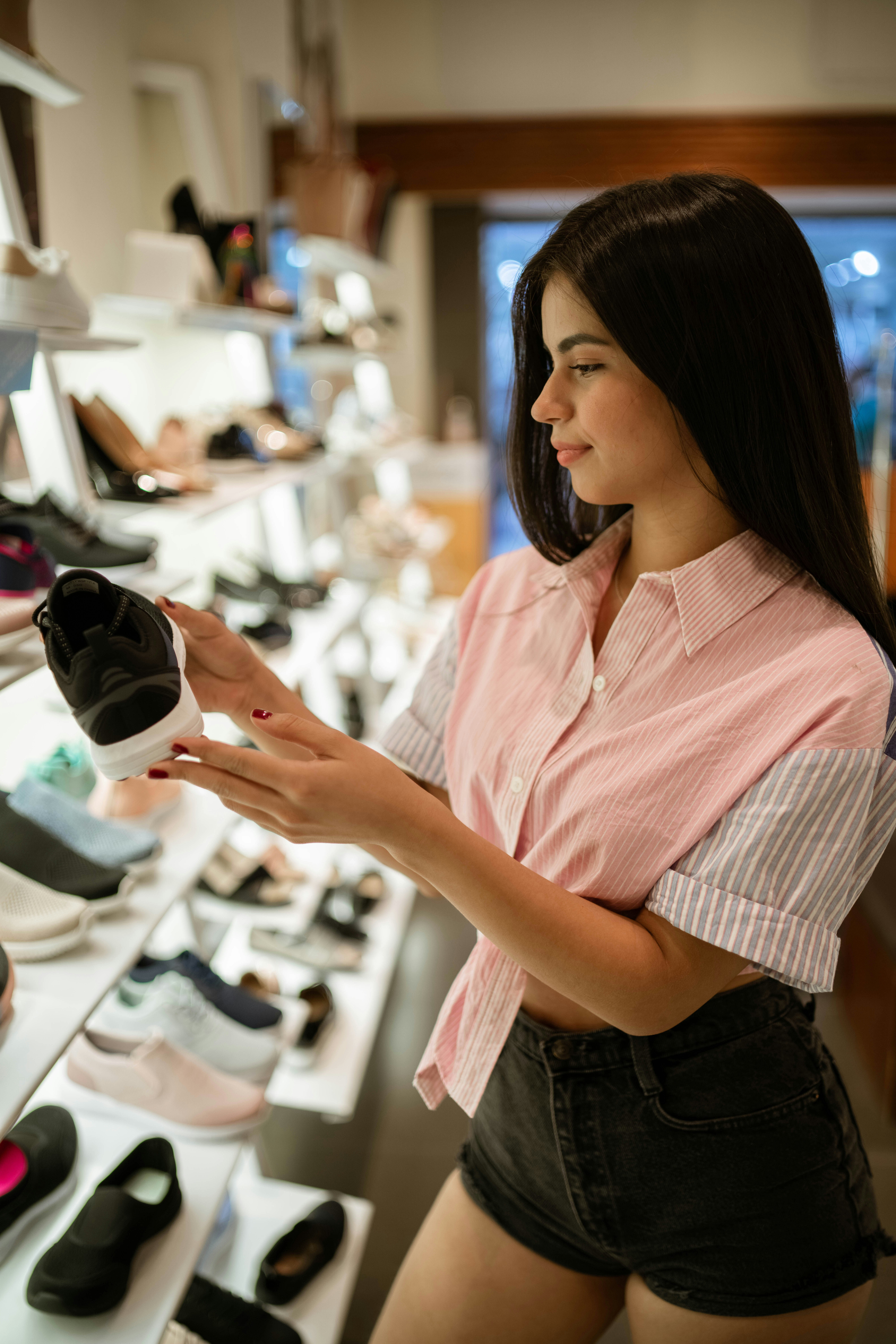
If you wear them most days, pay for them. Cheap shoes wear through their cushioning fast, and the strain shows up in your knees, hips, and lower back before it shows up on the shoe itself. A well-made pair of leather flats or boots can last 5–10 years with proper care, while quality sneakers will give you years of comfortable wear before the cushioning needs replacing.
Your Mattress
You spend roughly a third of your life on it. A good mattress runs $1,000–$2,500 and lasts 8–10 years. That works out to less per night than your morning coffee, and the difference shows up in your sleep quality, your back, and your mood the next day. This is one of the most underrated upgrades you can make.
Sheets
You sleep on them every night, and the difference between cheap and good is felt immediately. Quality cotton or linen sheets get softer with each wash instead of pilling and thinning. Thread count is mostly marketing past a certain point, so look at material and weave instead. A quality set lasts 3–5 years or more, and it makes the mattress investment pay off.
Outerwear You Wear Daily
A winter coat, a raincoat, a transitional jacket. These take the brunt of weather and wear. Higher-quality outerwear has better insulation, sturdier zippers, and seams that don’t unravel after one season. If you live in a climate with real weather, this is non-negotiable.

Bras and Underwear
Fit and construction matter more here than almost anywhere else in your closet. A well-fitted bra in a good fabric holds up to dozens of washes, supports properly, and doesn’t dig. The cheap version pills, twists, and ends up in the donate pile within months.
Skincare That Does Real Work
Sunscreen, retinoids, and a solid moisturizer are worth investing in because their effects compound over years. Marketing fluff isn’t worth investing in, but real active ingredients are. A good SPF you’ll wear daily is worth more than a designer serum you only remember to use on Sundays.
A Bag You Carry Daily
If you reach for the same tote, crossbody, or backpack five days a week, the cost-per-use math gets reasonable fast. A $300 bag carried 200 days a year for five years works out to about 30 cents per day. A $40 bag that falls apart in eight months ends up costing more in replacements and frustration. Look for full-grain leather or sturdy technical fabric, real hardware, and reinforced straps.
Where You Can Save Without Sacrificing
Spending more in these categories usually buys you a logo, not better quality.
Trend-Driven Pieces
If a piece is having a moment, it has an expiration date. Trend dresses, statement sleeves, and the color of the season aren’t where to put real money. Buy them for less, wear them out, and let them go without guilt when the moment passes.
Basic Tees and Tanks
The gap between a $15 cotton tee and a $90 one is mostly branding. Both will stretch out, both will pill at the underarms, both have a finite life. Buy the affordable version in the colors you actually wear, and replace as needed.
Workout Clothes
The performance gap between mid-range activewear and premium brands is small unless you’re a competitive athlete. A $35 pair of leggings from a solid mid-tier brand performs almost identically to a $98 pair, and the cycle of sweat and washing wears them out at similar rates anyway.
Costume Jewelry
Trendy earrings, layering necklaces, and statement pieces don’t need to be fine jewelry. Save the real spend for one or two heirloom pieces, and have fun with the rest.
Most Drugstore Basics
Cleansers, body lotion, micellar water, basic shampoo, and cotton rounds work just as well from the drugstore as from luxury counters. Save the splurge for the products with active ingredients that do specific work.
Shopping Habits That Save Money
The best price strategy in the world won’t help if your shopping habits are working against you. A few small rules go a long way:
Wait 48 hours before buying anything over $50 that wasn’t planned. Impulse purchases rarely survive two days of thinking about them.
Check the return policy before you buy, not after. Knowing you can return something makes you less likely to keep things you don’t love.
Buy one better thing instead of two okay things, especially for items you use every day.
Unsubscribe from retail emails for brands you tend to impulse buy from. The sale will still be there if you go looking for it.
Keep a running wishlist, and review it monthly. Things that felt urgent in week one often feel unnecessary four weeks later.
A Quick Framework for Deciding
When you’re not sure which side of the line a purchase falls on, ask three questions. How often will I use it? Does my body or daily comfort depend on it? Will the cheap version really last?
If the answers point toward frequent use, real impact, and a short cheap-version lifespan, pay more. If they don’t, save your money for somewhere it’ll do more good. The goal is to spend on purpose.





Leave a Comment
Your email address will not be published. Required fields are marked *